Why are Padel and Pickleball players prone to injuring their Calf and Achilles Tendon?
- Sarah Chapman
- 2 days ago
- 2 min read
Padel and pickleball have exploded in popularity over the past few years, attracting players of all ages and fitness levels. While these sports are fantastic for cardiovascular health, social interaction, and overall fitness, physiotherapists are also seeing a noticeable rise in Achilles tendon and calf muscle injuries among recreational players. So, what's driving this trend?
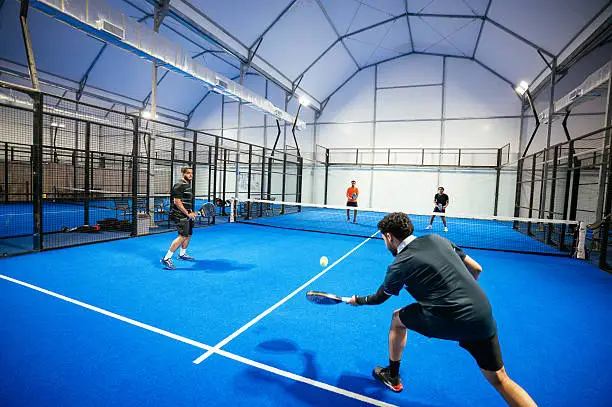


Both sports involve frequent short sprints, rapid changes of direction, sudden stops, and explosive movements from a relatively stationary position. Unlike continuous running sports, padel and pickleball place repeated high loads on the calf muscles and Achilles tendon during acceleration, deceleration, and lateral movements. For many players, especially those returning to sport after a period of inactivity, these tissues may not be adequately prepared for the demands being placed upon them.
The Achilles tendon acts like a spring, storing and releasing energy with every explosive movement. However, tendons need progressive loading to develop the strength and stiffness required for these activities. Without this preparation, players may experience Achilles tendon pain, calf strains, or more significant injuries that can keep them off the court for weeks or months.


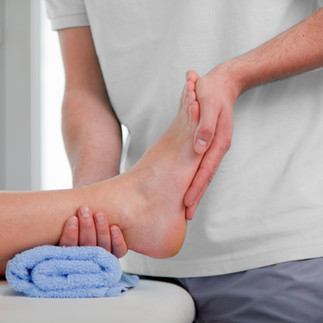
Injury Prevention: Building Resilient Calves and Tendons
The good news is that many Achilles and calf injuries are preventable with targeted preparation.
1. Develop Calf Strength
Strong calf muscles help absorb force and reduce strain on the Achilles tendon. Include both straight-knee and bent-knee calf raises to target the gastrocnemius and soleus muscles. Aim to progressively increase resistance over time.
2. Prepare for Explosive Movements
Tendons thrive when exposed to appropriately graded loading. Once a foundation of strength has been established, introduce plyometric exercises such as skipping, hopping, bounding, and jump training. These exercises help condition the tendon for the rapid force production required during play.
3. Improve Stability and Balance
Single-leg balance exercises, step-downs, and dynamic stability drills can improve control around the ankle, knee, and hip. Better stability allows players to react more efficiently to sudden directional changes and reduces injury risk.
4. Build Gradually
One of the most common mistakes is going from little activity to multiple matches per week. Increase court time progressively, allowing muscles and tendons sufficient recovery between sessions.
5. Warm Up Properly
A dynamic warm-up that includes calf activation, mobility work, and light movement drills can prepare the body for the demands of the game and improve performance from the first point.
As padel and pickleball continue to grow, players should treat their preparation with the same importance as their match play. A combination of calf strength, tendon conditioning, dynamic stability, and gradual progression can significantly reduce injury risk and help keep you enjoying the game for the long term.
If you would like advice on how to start an injury prevention programme, please get in touch and one of our skilled Physical Health physiotherapists in Shepperton or Woking will be able to help you. Call us on 01932 645320 or email info@physicalhealth.co.uk and you can always book online via the website.
Feeling a tweak in your Achilles or calf muscle? Don't ignore it, get the best advice at the right time to keep you on court!


Comments